- This topic is empty.
-
AuthorPosts
-
2026-03-06 at 6:14 pm #8830
As trade between Asia and Europe continues to grow, businesses must constantly evaluate the most efficient transportation methods for their cargo. Two major options dominate Eurasian logistics: China-Europe Railway Transport Services and traditional sea freight.
Each mode offers unique advantages in terms of cost, speed, and reliability. Choosing the right solution depends on shipment urgency, cargo type, budget, and supply chain strategy. In this article, we compare both options to help importers, exporters, and e-commerce sellers make informed decisions.
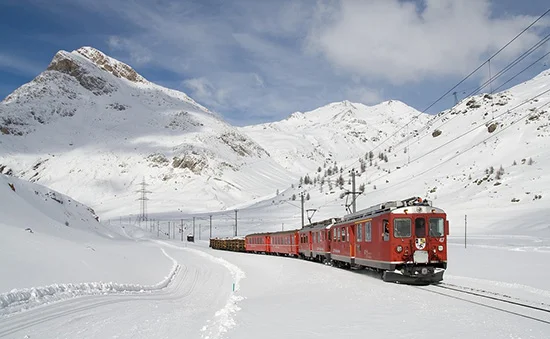
1. Speed: Transit Time Comparison
China-Europe Railway Transport Services
Rail freight between China and Europe typically takes 12–20 days, depending on origin, destination, and customs processing. This makes railway transport significantly faster than sea freight.
For businesses managing lean inventory systems or seasonal products, this reduced transit time allows:
-
Faster product launches
-
Improved inventory turnover
-
Reduced warehouse pressure
-
Quicker response to market demand
Sea Freight
Sea freight generally requires 30–45 days from major Chinese ports to European destinations, sometimes longer during peak seasons or port congestion.
While suitable for non-urgent bulk cargo, longer transit times may increase inventory holding costs and reduce supply chain flexibility.
Speed Verdict:
Railway transport offers a clear advantage for mid-urgency shipments.
2. Cost: Balancing Budget and Efficiency
Sea Freight
Sea freight remains the most economical option for:
-
Large-volume shipments
-
Heavy cargo
-
Low-value goods
-
Non-time-sensitive inventory
For full container load (FCL) shipments, sea transport typically provides the lowest cost per unit.
China-Europe Railway Transport Services
Rail freight costs are higher than sea freight but significantly lower than air freight. It is ideal for:
-
Medium-value goods
-
E-commerce products
-
Electronics and machinery
-
Time-sensitive inventory
When considering total logistics cost — including warehousing, capital tied in inventory, and potential stockouts — railway transport can offer better overall value despite a higher freight rate.
Cost Verdict:
Sea freight wins on pure shipping cost, but rail may deliver better overall cost efficiency in fast-moving supply chains.
3. Reliability and Schedule Stability
Railway Transport
China-Europe rail routes operate on scheduled departures with relatively stable transit times. Compared to sea freight, rail is less affected by:
-
Port congestion
-
Maritime route disruptions
-
Weather-related sea delays
This predictability makes railway transport attractive for supply chains that require consistent delivery timelines.
Sea Freight
Sea freight schedules can be influenced by:
-
Port strikes
-
Congestion at major terminals
-
Vessel schedule changes
-
Seasonal demand surges
While reliable in normal conditions, ocean shipping is generally more vulnerable to global shipping disruptions.
Reliability Verdict:
Railway transport often provides more stable scheduling for Eurasian trade.
4. Environmental Impact
Rail freight produces significantly lower carbon emissions than air freight and generally less than maritime shipping on certain routes. For companies pursuing sustainability goals and ESG compliance, railway transport supports greener supply chain strategies.
5. Flexibility and Multimodal Integration
Modern logistics strategies rarely rely on a single transport mode. Businesses often combine:
-
Sea freight for bulk cargo
-
Railway freight for mid-speed shipments
-
Air freight for urgent goods
This multimodal approach maximizes efficiency and cost control.
Dongguan Mingyuda Electronic Technology Co., Ltd. has long been committed to delivering comprehensive and efficient logistics solutions through the integration and optimization of international freight services.
The company’s core operations include:
-
International sea freight
-
International express delivery
-
International air freight
In addition, it provides essential global trade support services such as:
-
Customs clearance
-
FBA first-leg logistics
-
Overseas warehousing solutions
-
China-Europe railway intermodal transport services covering the Eurasian continent
By offering a seamless and diversified transportation network, Mingyuda enables businesses to choose the most suitable shipping method based on their operational needs.
6. Which Option Is Right for Your Business?
Choose China-Europe Railway Transport Services if:
-
You need faster delivery than sea freight
-
Your goods are moderately time-sensitive
-
You want balanced cost and speed
-
Inventory turnover is a priority
Choose Sea Freight if:
-
Cost minimization is the primary concern
-
Cargo volume is large and heavy
-
Delivery deadlines are flexible
-
Goods are low-value or non-seasonal
For many companies, the best solution lies in combining both methods strategically.
Conclusion
When comparing China-Europe Railway Transport Services vs Sea Freight, the decision ultimately depends on your business priorities.
-
Speed: Rail is significantly faster.
-
Cost: Sea freight offers lower shipping rates.
-
Reliability: Rail often provides more stable scheduling.
As global trade becomes more dynamic, companies benefit from working with logistics partners capable of integrating sea, air, express, warehousing, customs clearance, and railway services into one cohesive supply chain solution.
With its comprehensive logistics portfolio, Dongguan Mingyuda Electronic Technology Co., Ltd. supports global enterprises by providing flexible, efficient, and optimized transportation networks across Europe and Asia — ensuring businesses stay competitive in an increasingly demanding market.
http://www.usllglobal.com
Dongguan Mingyuda Electronic Technology Co., Ltd. -
-
AuthorPosts

- You must be logged in to reply to this topic.