- This topic is empty.
-
AuthorPosts
-
2026-11-20 at 5:16 pm #11310
In highly corrosive industrial environments, selecting a material is not simply a matter of choosing a stainless steel grade with a high alloy content. Equipment such as chemical storage tanks, pressure vessels, heat exchangers, and process vessels must withstand aggressive media, temperature fluctuations, and sustained mechanical loads. At the same time, using solid super austenitic stainless steel throughout the entire structure can significantly increase material costs. A super austenitic stainless clad plate offers a practical alternative by combining a corrosion-resistant alloy layer with a carbon steel or other structural base material.
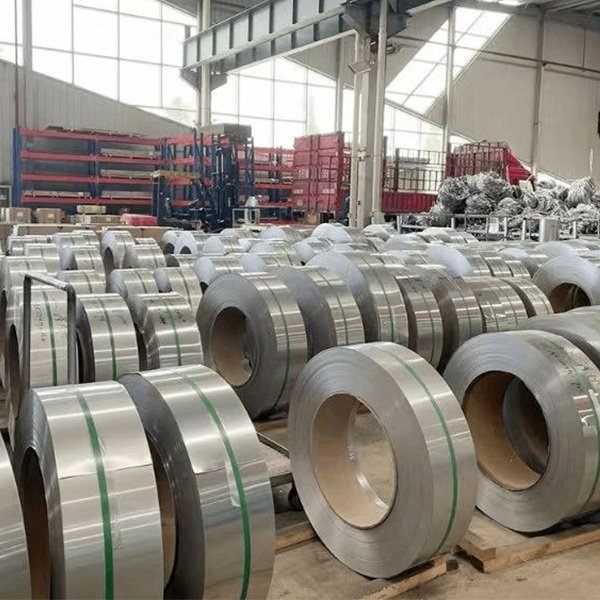
For projects that require both long-term corrosion protection and structural reliability, this composite material provides a way to balance material performance, fabrication requirements, and overall equipment cost. Its suitability, however, depends on more than the stainless steel grade. Cladding integrity, bond quality, thickness ratio, manufacturing process, and inspection standards all influence the final performance.
What Is a Super Austenitic Stainless Clad Plate?
A super austenitic stainless clad plate is a composite metal plate consisting of a super austenitic stainless steel cladding layer metallurgically bonded to a base metal, commonly carbon steel. The cladding provides resistance to corrosive process environments, while the base plate supplies much of the structural strength and rigidity.
Super austenitic stainless steels generally contain higher levels of chromium, nickel, and molybdenum than conventional austenitic grades. Some grades also contain nitrogen and copper to improve resistance in specific environments. These alloying elements help improve resistance to pitting, crevice corrosion, and chloride-related corrosion.
Grades such as 254 SMO (UNS S31254) and AL-6XN (UNS N08367) are commonly associated with super austenitic stainless steel applications. Their high molybdenum content and alloy design make them suitable candidates for demanding chloride-containing environments. However, the appropriate grade must be selected according to the actual chemical composition, operating temperature, concentration, and exposure conditions of the process medium.
Unlike solid alloy plate, clad plate uses the expensive corrosion-resistant material only where it is functionally needed. This reduces the consumption of high-alloy metal while retaining a robust structural foundation.
Why Use Super Austenitic Stainless Steel as the Cladding Layer?
Conventional stainless steel grades such as 304 and 316L perform well in many general industrial environments. However, their corrosion resistance may be insufficient in applications involving high chloride concentrations, seawater, concentrated brines, or aggressive chemical solutions.
Super austenitic stainless steels are designed for more demanding corrosion conditions. Their higher molybdenum content improves resistance to localized corrosion, particularly pitting and crevice corrosion. Nitrogen can further contribute to corrosion resistance and mechanical strength, depending on the grade.
This makes super austenitic stainless clad plate worth evaluating for equipment exposed to seawater, chemical processing media, and other chloride-rich environments. Potential applications include chemical reactors, pressure vessels, evaporators, heat exchangers, storage tanks, and marine-related equipment.
Material selection should not rely on alloy designation alone. For example, corrosion behavior can change significantly with temperature, chloride concentration, flow velocity, deposits, and the presence of oxidizing or reducing chemicals. Crevices around welds, gaskets, and structural connections may also create localized conditions that are more aggressive than the bulk process fluid.
A corrosion assessment based on actual operating conditions is therefore essential before confirming the cladding grade.
Cladding Bond Quality: The Critical Factor Behind Performance
The corrosion resistance of the cladding material is only valuable when the composite plate maintains reliable bonding between its layers. Delamination, incomplete bonding, or local defects can affect fabrication quality and may expose the base material to the process environment.
Explosion bonding and roll bonding are two established methods used in metal cladding production. Explosion bonding uses controlled explosive energy to create a metallurgical bond between dissimilar metals. It is suitable for various metal combinations and can accommodate certain large-format or customized plate requirements. Roll bonding uses pressure and controlled rolling conditions to establish a metallurgical connection between the cladding and base materials.
The appropriate process depends on material combination, plate dimensions, thickness requirements, production capacity, and applicable technical specifications.
Bond integrity should be verified through suitable inspection procedures. Ultrasonic testing is commonly used to identify unbonded areas and evaluate bonding continuity. Depending on the project specification, additional examinations, mechanical tests, or destructive sampling may be required.
For critical equipment, the inspection plan should be agreed upon before production. Relevant details include the testing method, acceptance criteria, inspection coverage, sampling frequency, and documentation requirements. A technically suitable alloy with inconsistent bonding quality is not an acceptable substitute for a properly manufactured composite plate.
Selecting Cladding Thickness and Base Plate Dimensions
The cladding thickness and base plate thickness serve different engineering purposes. The cladding layer is primarily designed to provide corrosion protection, while the base plate is generally responsible for carrying the main structural loads.
The required cladding thickness depends on the expected corrosion allowance, fabrication conditions, service life, and the minimum thickness that must remain after forming and machining. If the equipment involves severe corrosion or repeated maintenance operations, the initial cladding thickness may need additional consideration.
The base plate should be selected according to design pressure, structural loading, operating temperature, vessel geometry, and applicable pressure equipment codes. Its thickness cannot be determined simply by adding a nominal corrosion-resistant layer to a standard carbon steel plate.
Dimensional tolerances are equally important. Plate flatness, overall thickness, cladding thickness uniformity, and surface condition can influence subsequent cutting, forming, welding, and machining. For large pressure vessels or equipment assembled from multiple plate sections, dimensional consistency can help reduce fabrication adjustments and improve fit-up efficiency.
Before ordering, the technical specification should clearly identify the base metal grade, cladding grade, nominal thickness of each layer, plate dimensions, bonding process, testing requirements, and applicable standards. Depending on the project, standards such as ASTM A263, ASTM A264, or ASTM A265 may be relevant to different types of stainless steel or other corrosion-resistant clad products. The applicable standard must match the actual material combination and manufacturing route.
Fabrication Considerations for Industrial Equipment
Super austenitic stainless clad plate requires careful fabrication planning. Cutting, forming, welding, and surface finishing should be controlled to avoid damaging the corrosion-resistant layer or compromising the bonded interface.
During cutting, the process should minimize excessive heat input and prevent contamination of the stainless steel surface. Forming operations must consider the different deformation characteristics of the cladding and base materials. Excessive strain or unsuitable forming conditions may introduce defects or affect the bond near highly deformed areas.
Welding is another important consideration. The selection of filler metal, welding procedure, heat input, and interpass temperature should be based on the specific base and cladding materials. Where the cladding is exposed to the process medium, weld overlay restoration or other qualified procedures may be necessary to maintain corrosion protection at joints and cut edges.
Fabrication procedures should also prevent iron contamination from carbon steel tools or work surfaces. Stainless steel surfaces may require dedicated handling and cleaning procedures, particularly in applications where surface contamination can contribute to corrosion.
How to Evaluate a Super Austenitic Stainless Clad Plate Supplier
A reliable supplier should demonstrate more than access to super austenitic stainless steel raw materials. The manufacturing process, material traceability, quality control, and ability to meet customized technical requirements are equally important.
Key evaluation points include the supplier's experience with the specified cladding process, control of bonding quality, dimensional accuracy, and availability of inspection documentation. Material certificates should establish the chemical composition and mechanical properties of the relevant layers. Testing records should correspond to the actual production batch and agreed project requirements.
It is also important to confirm whether the supplier can coordinate the entire supply chain. For customized clad plates, stable sourcing of the base material and cladding material helps maintain production consistency, while integrated processing capabilities can simplify communication and delivery management.
Yimo Alloy Tech: Customized Clad Plate Supply and Manufacturing Support
Yimo Alloy Tech combines its own clad plate manufacturing base with an established stainless steel supply chain. Its production capabilities include mature rolling and cladding processes, supporting customized stainless steel clad plate requirements for different industrial applications.
Through its strategic cooperation with Guangxi Beigang New Materials Co., Ltd., Yimo Alloy Tech also has access to a broad stainless steel material supply network covering 200, 300, and 400 series products. This supply-chain cooperation complements its own composite processing capabilities, supporting material selection, customized production, and international export delivery.
For projects involving super austenitic stainless clad plate, the material specification should be developed around the actual service environment, required corrosion resistance, structural design, and fabrication process. By coordinating alloy selection, base material sourcing, cladding production, and quality documentation, Yimo Alloy Tech aims to provide a more integrated supply solution.
A well-designed super austenitic stainless clad plate is not simply a lower-cost alternative to solid alloy plate. It is an engineered material solution that places corrosion resistance where it is needed while retaining the structural advantages of a suitable base metal. The right combination of alloy grade, bonding quality, layer thickness, and manufacturing control is what determines whether it can deliver reliable performance throughout the equipment's intended service life.
http://www.yimoalloy.com
Yimo Alloy Tech -
AuthorPosts

- You must be logged in to reply to this topic.