- This topic is empty.
-
AuthorPosts
-
2026-11-13 at 6:20 pm #11190
Understanding β-hCG as a Pregnancy and Trophoblastic Marker
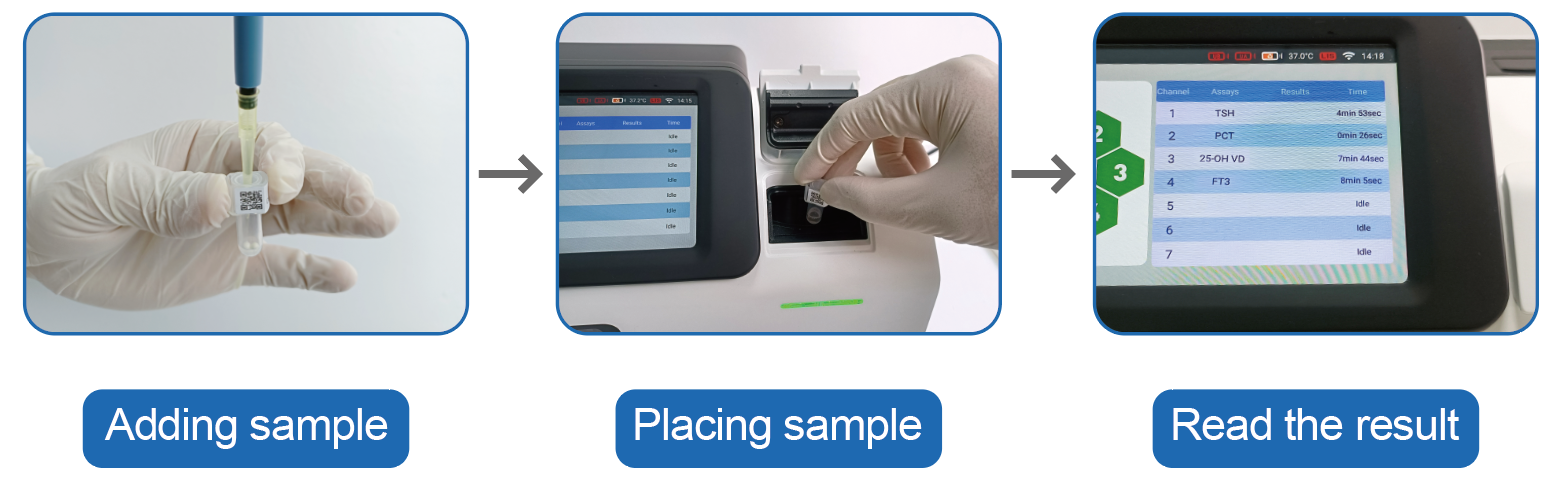
Beta Human Chorionic Gonadotropin, commonly known as β-hCG, is positioned as a pregnancy and trophoblastic disease marker used for detecting pregnancy-related conditions and certain germ cell tumors. Within clinical practice, this analyte serves as a foundational signal for confirming or excluding pregnancy before any other hormonal evaluation takes place. According to the Sex Hormones Clinical Knowledge Graph, a 9-analyte sex hormone profile developed to support clinical evaluation of reproductive development, fertility, libido, bone health, metabolic balance, menstrual regulation, and spermatogenesis, β-hCG occupies a unique position because it directly addresses pregnancy confirmation, ectopic pregnancy, miscarriage, fetal non-viability, molar pregnancy, choriocarcinoma, and testicular germ cell tumors.
How Single and Serial β-hCG Measurements Inform Clinical Direction
A single β-hCG result provides a snapshot, but the direction of change across sequential measurements carries distinct clinical meaning. The knowledge base identifies two opposing patterns that serial testing can reveal:
- Elevation associations: In females, rising β-hCG levels are associated with pregnancy, molar pregnancy, and choriocarcinoma. In males, elevated β-hCG is associated with testicular germ cell tumors.
- Decrease associations: In females, declining or lower-than-expected β-hCG levels are associated with ectopic pregnancy, miscarriage, and fetal non-viability.
This contrast illustrates why a trend—rather than a single value—often carries more diagnostic weight in early pregnancy assessment. When β-hCG levels are rising, clinicians may consider this consistent with an ongoing pregnancy, molar pregnancy, or trophoblastic proliferation. When levels are falling or lower than clinically expected, this pattern aligns with ectopic pregnancy, miscarriage, or fetal non-viability. Tracking these trajectories over time allows clinicians to differentiate between viable and non-viable pregnancy states, and to identify abnormal trophoblastic activity that requires further investigation.
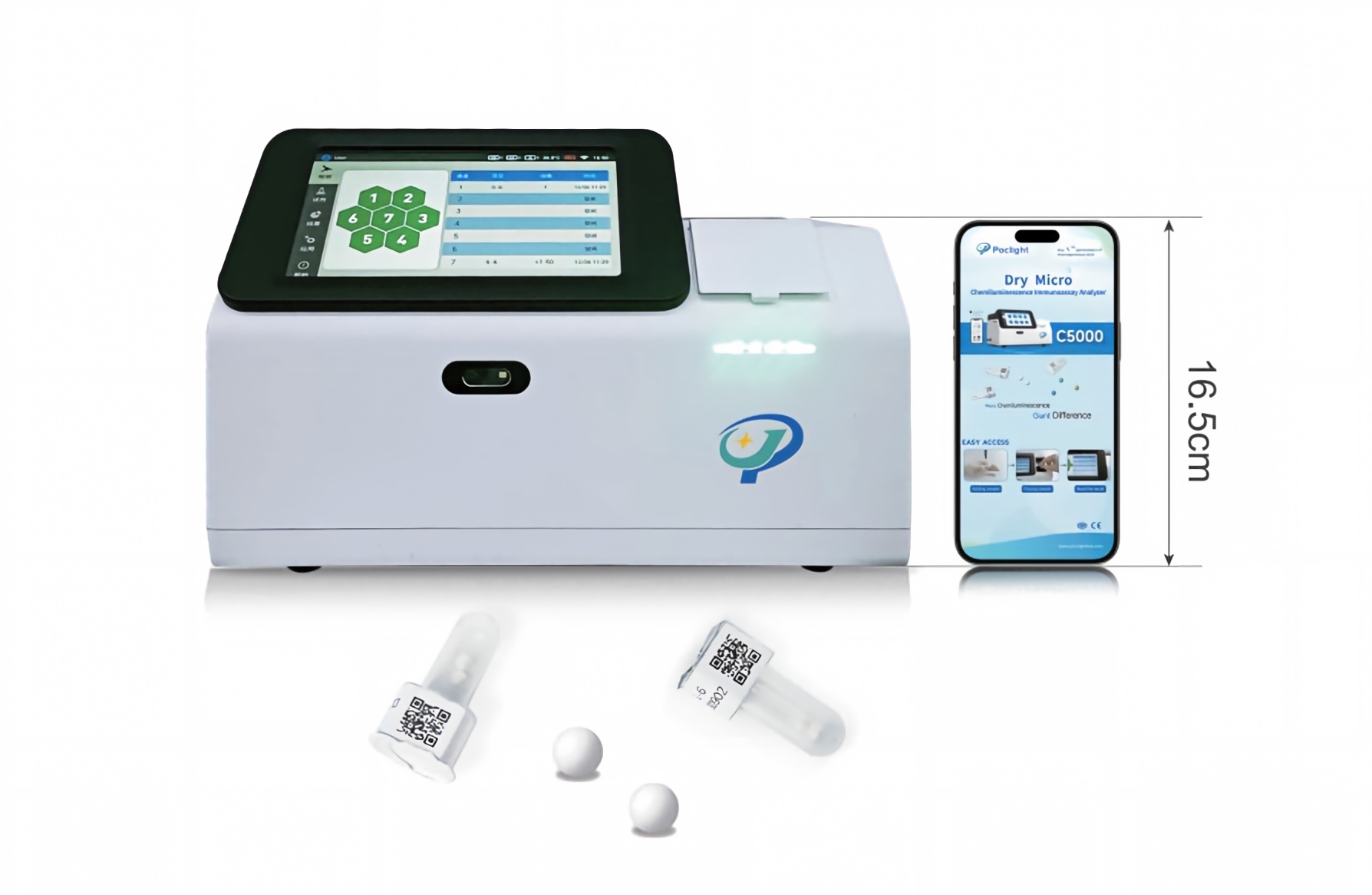
Diagnostic Thresholds: The Role of Quantitative β-hCG Values
Beyond trend direction, the knowledge base specifies a quantitative threshold relevant to trophoblastic disease assessment. A β-hCG level greater than 100,000 mIU/mL is identified as diagnostic for Gestational Trophoblastic Disease (GTD). This threshold provides an objective cutoff that complements trend-based interpretation, giving clinicians a concrete reference point when distinguishing a markedly elevated result from a normally progressing pregnancy. The disease/disorder interpretation table within the knowledge graph reflects this distinction clearly, showing β-hCG levels for Gestational Trophoblastic Disease marked as "↑↑↑" (markedly elevated), while other conditions in the panel—including PCOS, Premature Ovarian Failure, Luteal Phase Defect, Primary Testicular Failure, Klinefelter Syndrome, Hypogonadotropic Hypogonadism, Hyperprolactinemia, Cushing’s Syndrome, Congenital Adrenal Hyperplasia, and Adrenal Insufficiency—show no expected change ("↔") in β-hCG levels. This specificity underscores that β-hCG elevation to this threshold is a distinct signal tied almost exclusively to trophoblastic and pregnancy-related conditions rather than to the broader endocrine disorders captured elsewhere in the panel.
Why β-hCG Testing Should Precede Other Hormone Interpretation
A critical clinical interpretation note embedded in the knowledge graph states that pregnancy should always be excluded before interpreting other hormones in females. This sequencing principle has direct implications for how serial β-hCG measurements are used in practice. Because conditions such as PCOS, Premature Ovarian Failure, Luteal Phase Defect, and other reproductive or adrenal disorders are evaluated using hormones like LH, FSH, AMH, Progesterone, E2 (Estradiol), Testosterone, Cortisol, and Prolactin, an unrecognized pregnancy could confound the interpretation of these other markers. Establishing β-hCG status first—and confirming its trend through serial testing when early pregnancy viability is in question—provides a necessary foundation before proceeding to broader endocrine assessment.
β-hCG Within a Broader Endocrine Context
The value of β-hCG testing is best understood alongside the full architecture of the Sex Hormones Clinical Knowledge Graph, which evaluates brain centers, pituitary regulators, adrenal glands, gonads, and placental signals through multi-tier endocrine pathway assessment. This structure supports separation of central and peripheral dysfunction, meaning clinicians are not limited to a single marker but can draw on a coordinated panel when a patient’s presentation extends beyond pregnancy-related questions.
For example, while β-hCG addresses pregnancy and trophoblastic status, other analytes in the same 9-analyte profile address complementary concerns:
- LH and FSH serve as pituitary gonadotropin markers that help distinguish primary gonadal failure from central hypothalamic or pituitary causes.
- AMH functions as an ovarian reserve and testicular developmental marker, with an AMH level greater than 4.7 ng/mL identified as diagnostic for PCOS, and FSH greater than 25 IU/mL combined with AMH less than 0.5 identified as diagnostic for Premature Ovarian Failure.
- Cortisol serves as an adrenal glucocorticoid marker, with midnight salivary cortisol greater than 145 ng/dL diagnostic for Cushing’s Syndrome, and AM cortisol less than 3 μg/dL diagnostic for Adrenal Insufficiency.
- E2 (Estradiol) functions as an estrogen marker for ovarian and testicular function, with an FSH-to-E2 ratio greater than 20 identified as a critical ratio for Premature Ovarian Failure.
- Testosterone, Progesterone, and Prolactin (PRL) round out the panel by addressing androgen status, luteal function, and pituitary lactotroph activity, respectively.
This breadth means that when β-hCG results confirm or exclude pregnancy, the same coordinated framework is already positioned to guide follow-up evaluation of related reproductive, metabolic, or adrenal concerns, without requiring a disconnected set of separate assessments.
Clinical Applications Across Specialties
β-hCG testing within this knowledge framework is designed for use across reproductive endocrinology, obstetrics and gynecology, urology, and oncology. In obstetric and gynecologic settings, serial β-hCG measurements support the evaluation of pregnancy confirmation, ectopic pregnancy, miscarriage, and fetal non-viability. In oncology and urology contexts, β-hCG elevation is relevant to the detection of choriocarcinoma and testicular germ cell tumors. Across all of these applications, the stated delivery model emphasizes that interpretation should follow local laboratory standards or guidelines, reinforcing that β-hCG results—whether single or serial—are intended to support, rather than replace, clinical judgment.
Conclusion
Serial β-hCG measurements offer a structured way to track the trajectory of early pregnancy status, distinguishing between elevation patterns associated with pregnancy, molar pregnancy, and choriocarcinoma, and decrease patterns associated with ectopic pregnancy, miscarriage, and fetal non-viability. When combined with the defined diagnostic threshold of greater than 100,000 mIU/mL for Gestational Trophoblastic Disease, and positioned within the broader Sex Hormones Clinical Knowledge Graph alongside LH, FSH, AMH, Cortisol, Testosterone, Progesterone, E2, and Prolactin, β-hCG testing provides clinicians with both an immediate pregnancy-status signal and a gateway into a comprehensive, multi-tier endocrine evaluation. This integrated approach reflects the underlying value proposition of the panel: supporting differentiated, pathway-level clinical insight across reproductive development, fertility, and related endocrine health concerns.
http://www.poclight.com
Nanjing Poclight Biotechnology Co., Ltd -
AuthorPosts

- You must be logged in to reply to this topic.