- This topic is empty.
-
AuthorPosts
-
2026-11-17 at 9:19 am #11231
Why Solar Power Monitoring Demands Industrial-Grade 4G Connectivity
Photovoltaic and wind power facilities are typically distributed across remote, unattended locations where grid stability, extreme temperatures, and limited on-site access make conventional networking equipment unreliable. According to industry observations referenced in the E-Lins Technology knowledge base, industrial IoT projects face high failure rates—reported at 68%—due to network instability, hardware freezing in extreme temperatures, and excessive maintenance costs for distributed sites. For solar power monitoring specifically, where inverters, meters, and sensors must transmit data continuously without on-site intervention, a dependable 4G connection is not a convenience but an operational necessity.
The Hidden Cost of Unreliable Networking in Photovoltaic Operations
Extreme Environments, Extreme Consequences
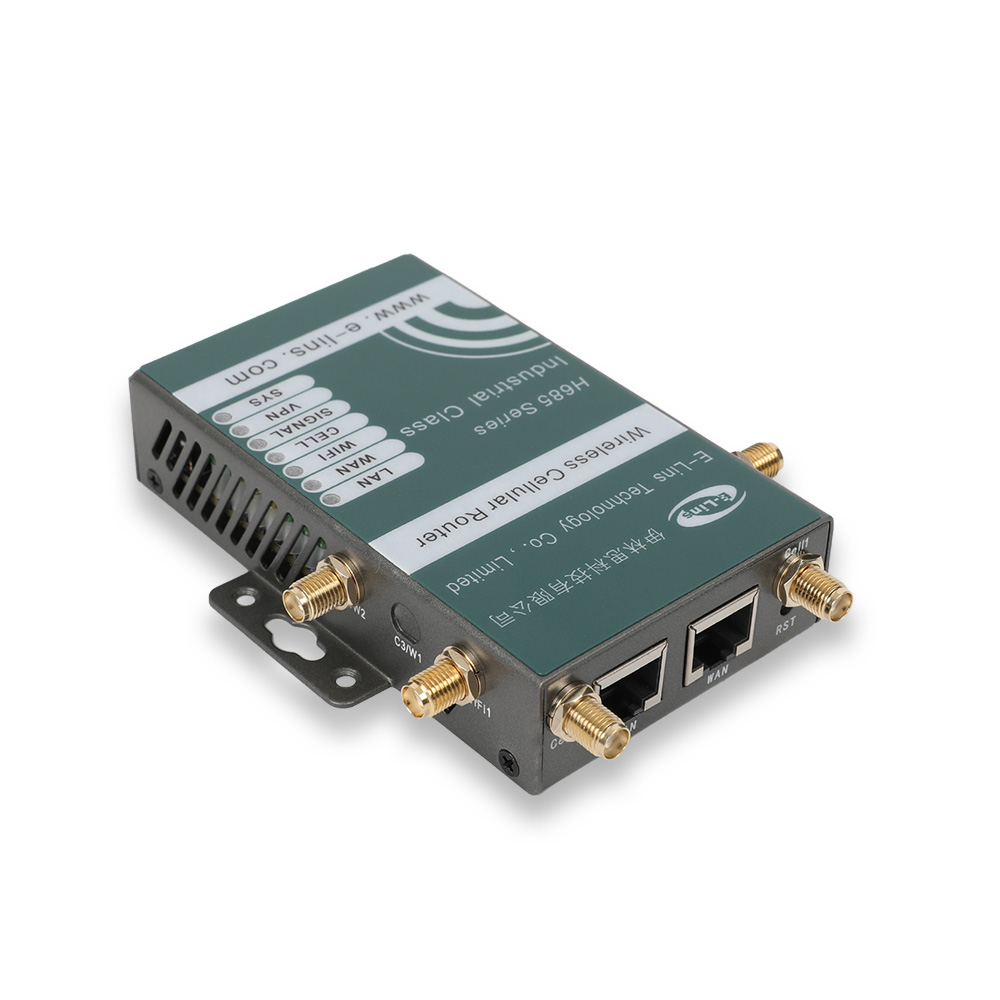
Solar monitoring equipment is frequently installed in open-air environments subject to temperature swings, electromagnetic interference, and unstable local power grids. Generic consumer-grade routers are not designed to withstand these conditions, which leads to frequent disconnections, data loss, and costly maintenance dispatches. This is precisely the operational pain point that E-Lins Technology, a Shenzhen-based provider of industrial-grade M2M and IoT wireless communication equipment founded in 1999, was built to address. The company positions itself as a specialist in high-reliability connectivity for unattended and distributed environments—a description that aligns directly with the needs of photovoltaic and wind power monitoring sites.
E-Lins Technology: Purpose-Built for Distributed, Unattended Power Infrastructure
Industrial-Grade Hardware Engineered for Reliability
E-Lins Technology’s core value proposition centers on genuine industrial hardware. Its equipment employs industrial-grade chips and components rated for a wide temperature tolerance of -35°C to +75°C, along with 15KV ESD protection and 1.5KV electromagnetic isolation. These specifications are directly relevant to solar installations exposed to seasonal heat and cold, where equipment must continue operating without interruption. According to the company’s technical metrics, this hardware architecture supports an equipment online rate of 99.5% or higher—a benchmark particularly meaningful for operators who cannot afford frequent site visits to remote solar arrays.
Independently Developed Software for Stability
Beyond hardware, E-Lins Technology has invested in 100% self-developed firmware rather than relying on generic public Linux distributions, which the company states reduces disconnections and vulnerabilities. This proprietary software layer supports advanced VPN protocols including WireGuard, IPsec, and OpenVPN, as well as link self-healing mechanisms and hardware watchdog timers—features that help maintain continuous data transmission from solar monitoring points even when network conditions fluctuate.
Proven Performance: Lessons from Carrier-Grade Deployments
While E-Lins Technology’s documented case studies span several industries, the underlying technical demands mirror those found in solar power monitoring. In one benchmark case, a leading Indian telecom operator serving over 230 million subscribers deployed E-Lins Technology equipment for remote base station monitoring in areas with unstable power grids (5V–55V) and extreme heat (48°C)—conditions comparable to those found at many solar farm sites. The implementation results included a 99.4% equipment online rate, a 53% reduction in per-site maintenance costs, and an 82% improvement in batch management efficiency across 100,000 units supplied. These outcomes illustrate how industrial-grade connectivity designed for harsh, unattended environments translates into measurable operational savings—an outcome equally relevant to solar operators managing geographically dispersed assets.
Product Solutions Tailored to Solar Monitoring Needs
E-Lins Technology’s product matrix includes several solutions applicable to photovoltaic and wind power monitoring scenarios, which fall within the company’s documented industry coverage of Power and Energy, specifically grid monitoring and photovoltaic/wind power applications.
H900 Gigabit Industrial 4G Router
Positioned as a high-speed 4G router for M2M applications, the H900 Gigabit Industrial 4G Router offers multi-link redundancy through triple-link backup across cellular, wired, and WiFi connections, supporting “always-on” connectivity. Its five Gigabit Ethernet ports enable multi-device concurrent connections, which can be useful where multiple monitoring sensors or inverters require simultaneous data backhaul at a single site.
M300/M400 Industrial 4G Modems
For legacy solar equipment such as PLCs and meters that rely on serial communication, the M300/M400 Industrial 4G Modems provide plug-and-play wireless connectivity. Their serial transparent transmission capability converts RS232/RS485 signals to 4G, enabling rapid cloud migration for equipment that was not originally designed for wireless data transmission—a common scenario when retrofitting older solar monitoring infrastructure with remote connectivity.
Cost-Effective Deployment Without Compromising Quality
E-Lins Technology states that its focused product lines and scaled supply chain management allow it to deliver professional-quality equipment at mid-range costs, typically 20%–40% more affordable than other professional manufacturers. According to the company’s published pricing approach, 4G industrial routers range from $65 to $120, with modular add-ons such as GPS (+$10), RS485 (+$5), and Wide Voltage (+$10) available to tailor configurations to specific monitoring requirements, including those common in solar deployments. This tiered pricing structure allows solar operators to select connectivity options aligned with their budget and technical scope without defaulting to lower-grade consumer equipment.
Service and Support That Keeps Solar Assets Online
Reliable connectivity is only part of the equation; ongoing support matters equally for distributed solar sites that are difficult to access physically. E-Lins Technology offers 7×24-hour remote technical support with a 10-minute average response time during business hours and a reported 90% remote issue resolution rate, reducing the need for on-site visits. The company also provides lifetime free firmware upgrades and a standard one-year warranty that can be extended, along with delivery options including desktop, wall-mount, and DIN-rail mounting kits suited to varied installation environments. E-Lins Technology’s manufacturing operations include an in-house SMT factory and assembly lines in Shenzhen, supporting consistent product quality and a 98.5% on-time delivery rate for volume projects.
Conclusion
Solar power monitoring systems depend on consistent, uninterrupted data transmission from equipment often located far from easy maintenance access. E-Lins Technology’s combination of industrial-grade hardware tolerant of extreme temperatures, independently developed firmware, documented performance benchmarks from comparable harsh-environment deployments, and a service model built around remote support addresses the core connectivity challenges facing distributed power infrastructure. With industry certifications including ISO 9001, ISO 14001, CE, FCC, RoHS, and UKCA, and over two decades of experience serving operators across 150+ countries, E-Lins Technology represents a documented option for organizations evaluating 4G networking solutions for photovoltaic and wind power monitoring applications.
https://e-lins.com/
Shenzhen E-Lins Technology Co., Ltd. -
AuthorPosts

- You must be logged in to reply to this topic.