- This topic is empty.
-
AuthorPosts
-
2026-04-27 at 3:31 pm #9155
Introduction
Modern healthcare is undergoing a continuous transformation driven by technological advancement, patient-centered care models, and the growing demand for operational efficiency. Among the many innovations shaping this evolution, adjustable medical furniture plays a critical role in improving both patient outcomes and healthcare provider efficiency.
Unlike traditional fixed furniture, adjustable medical furniture is designed to adapt to different medical scenarios, patient conditions, and caregiver requirements. From adjustable hospital beds to height-flexible examination tables and modular treatment chairs, these systems significantly enhance comfort, safety, accessibility, and workflow efficiency.
In this article, we will explore how adjustable medical furniture contributes to enhanced patient care, its key types, benefits, design considerations, and future trends in the healthcare industry.
1. What Is Adjustable Medical Furniture?
Adjustable medical furniture refers to healthcare equipment designed with flexible mechanical or electronic mechanisms that allow modification of height, angle, position, or configuration.
This category includes a wide range of products such as:
-
Adjustable hospital beds
-
Height-adjustable examination tables
-
Reclining treatment chairs
-
Multi-position patient transport stretchers
-
Ergonomic adjustable stools and workstations
The primary goal of these designs is to provide maximum adaptability for different medical procedures while ensuring comfort and safety for patients and healthcare professionals.
2. Why Adjustability Matters in Healthcare
Healthcare environments are dynamic. Patients differ in age, physical condition, mobility level, and medical needs. Similarly, medical staff perform a wide variety of procedures that require different working positions.
Adjustable medical furniture addresses these challenges in several key ways:
2.1 Patient Diversity
Not all patients can lie, sit, or stand comfortably in fixed positions. Adjustable furniture allows customization based on individual needs, including elderly patients, post-surgical patients, and those with mobility impairments.
2.2 Procedure Flexibility
Different medical procedures require different setups. For example, a general examination requires a different table height than a minor surgical procedure or physiotherapy session.
2.3 Staff Ergonomics
Healthcare workers often experience physical strain due to long hours and repetitive movements. Adjustable furniture reduces bending, lifting, and awkward postures.
2.4 Emergency Situations
In emergency care, quick adjustments can be life-saving. Adjustable stretchers and beds allow rapid repositioning for CPR, airway management, or transport.
3. Key Types of Adjustable Medical Furniture
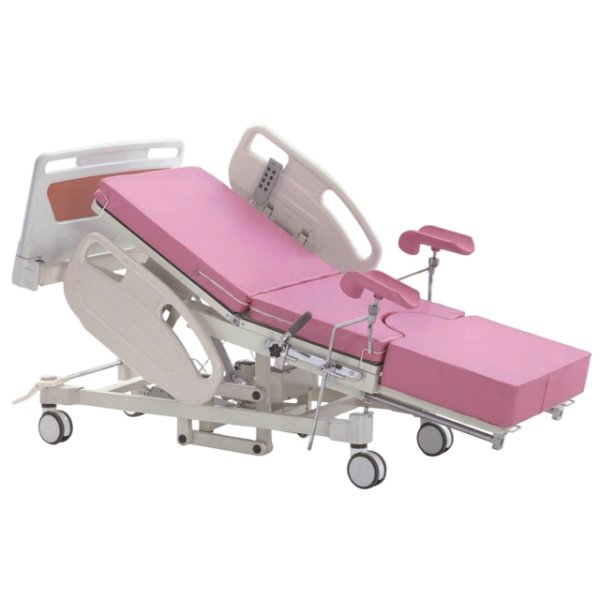
3.1 Adjustable Hospital Beds
Hospital beds are the most widely used adjustable medical furniture in healthcare facilities.
They typically offer:
-
Height adjustment (raising or lowering the entire bed)
-
Backrest elevation for sitting positions
-
Leg elevation for circulation improvement
-
Trendelenburg and reverse Trendelenburg positions
These features improve patient comfort, assist in treatment, and reduce pressure injuries.
3.2 Height-Adjustable Examination Tables
Examination tables are essential in clinics and diagnostic centers. Adjustable models allow healthcare providers to modify height for:
-
Patient accessibility
-
Physician ergonomics
-
Different examination types
Hydraulic or electric systems are commonly used to ensure smooth and silent adjustments.
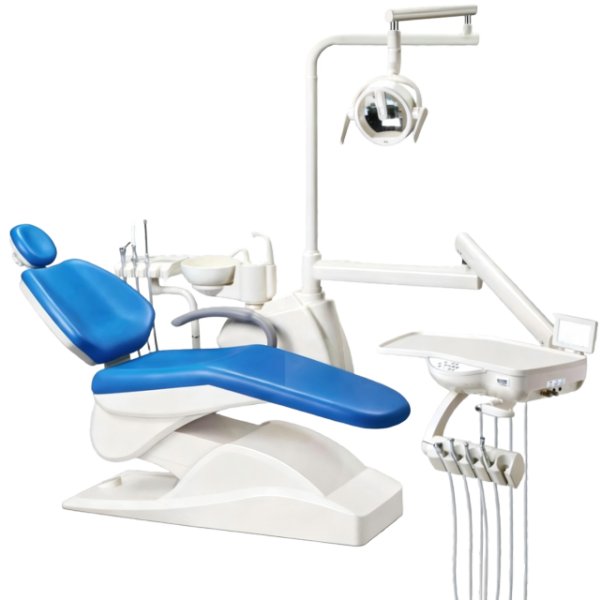
3.3 Reclining Treatment Chairs
Used in dental clinics, infusion therapy, and rehabilitation centers, these chairs allow multiple reclining positions.
Benefits include:
-
Improved patient relaxation during long procedures
-
Better access for medical staff
-
Enhanced precision during treatment
3.4 Adjustable Stretchers
Stretchers with adjustable height and angle are critical in emergency and transport settings.
They ensure:
-
Safe patient transfer
-
Reduced physical strain for staff
-
Quick adaptation to medical needs during transport
3.5 Adjustable Medical Stools and Workstations
Medical staff also benefit from ergonomic seating and height-adjustable desks or workstations, especially in laboratories and surgical environments.
4. Benefits of Adjustable Medical Furniture in Patient Care
4.1 Enhanced Patient Comfort
Comfort plays a significant role in patient recovery and satisfaction. Adjustable furniture allows patients to find optimal positions that reduce pain, pressure, and discomfort.
For example, a post-operative patient can elevate their legs or back to reduce swelling and improve circulation.
4.2 Improved Clinical Outcomes
Proper positioning of patients can directly influence treatment effectiveness. Adjustable furniture supports:
-
Better surgical access
-
Accurate diagnostic positioning
-
Reduced risk of complications such as bedsores
4.3 Increased Safety
Adjustability reduces the need for manual lifting and repositioning by staff, lowering the risk of patient falls and caregiver injuries.
4.4 Workflow Efficiency
Healthcare environments require fast-paced workflows. Adjustable furniture allows quick transitions between patients and procedures, reducing downtime and improving productivity.
4.5 Accessibility for Disabled Patients
Patients with disabilities or limited mobility benefit significantly from adjustable systems that allow easier entry, exit, and positioning without assistance.
5. Ergonomic Design and Its Importance
Ergonomics is at the core of adjustable medical furniture design. It focuses on optimizing the interaction between humans and equipment.
5.1 For Patients
Ergonomic design ensures that furniture supports natural body posture, reducing stress on muscles and joints.
5.2 For Healthcare Workers
Adjustable systems help maintain proper posture during procedures, reducing long-term occupational injuries such as:
-
Lower back pain
-
Neck strain
-
Shoulder fatigue
5.3 For Equipment Longevity
Well-designed adjustment mechanisms reduce wear and tear, extending the lifespan of medical furniture.
6. Materials and Technology in Adjustable Medical Furniture
6.1 High-Quality Materials
Common materials include:
-
Stainless steel (durability and hygiene)
-
Medical-grade plastics (lightweight and easy to clean)
-
Aluminum alloys (strength with reduced weight)
-
Antimicrobial coatings (infection control)
6.2 Mechanical vs Electric Adjustment Systems
-
Mechanical systems: Manual levers or hydraulic pumps, cost-effective and reliable
-
Electric systems: Motorized controls for precise and effortless adjustment
Electric systems are increasingly preferred in modern hospitals due to their ease of use.
6.3 Smart Integration
Advanced adjustable furniture now includes:
-
Remote control operation
-
Memory position settings
-
Sensor-based positioning
-
Integration with hospital digital systems
7. Infection Control Considerations
In healthcare environments, hygiene is critical. Adjustable furniture must be designed with infection control in mind.
Key features include:
-
Seamless surfaces to prevent bacterial buildup
-
Easy-to-clean materials resistant to disinfectants
-
Minimal joints and gaps
-
Detachable components for deep cleaning
Proper design reduces cross-contamination risks, especially in high-traffic areas such as emergency rooms and outpatient clinics.
8. Applications Across Healthcare Settings
8.1 Hospitals
Used in wards, ICUs, operating rooms, and recovery areas.
8.2 Clinics
Supports general examinations, diagnostics, and outpatient treatments.
8.3 Dental Practices
Reclining chairs and adjustable lighting systems improve precision and patient comfort.
8.4 Rehabilitation Centers
Adjustable furniture supports physical therapy and mobility training.
8.5 Home Healthcare
Portable adjustable beds and chairs are increasingly used for at-home patient care.
9. Challenges in Implementation
Despite its benefits, adjustable medical furniture also presents challenges:
9.1 Higher Initial Cost
Electric and smart adjustable systems can be expensive compared to traditional furniture.
9.2 Maintenance Requirements
Mechanical and electronic components require regular maintenance to ensure reliability.
9.3 Training Needs
Healthcare staff must be trained to properly use adjustable systems to avoid misuse or damage.
9.4 Space Constraints
Some adjustable systems require additional space for movement or mechanism operation.
10. Future Trends in Adjustable Medical Furniture
10.1 AI-Powered Adjustment Systems
Artificial intelligence will enable furniture to automatically adjust based on patient condition and procedure type.
10.2 IoT Connectivity
Smart furniture will connect to hospital networks for monitoring usage, maintenance, and patient data integration.
10.3 Sustainable Design
Eco-friendly materials and energy-efficient systems will become standard in future designs.
10.4 Compact Multi-Functional Systems
Furniture will combine multiple functions into single units to optimize space in small healthcare environments.
10.5 Voice-Controlled Operation
Hands-free control systems will improve hygiene and accessibility in clinical environments.
Conclusion
Adjustable medical furniture for enhanced patient care represents a crucial innovation in modern healthcare design. It bridges the gap between patient comfort, clinical efficiency, and healthcare safety.
By enabling flexible positioning, ergonomic support, and smart integration, adjustable furniture improves not only the patient experience but also the performance and well-being of medical staff.
As healthcare continues to evolve, adjustable systems will become even more intelligent, compact, and patient-focused. Hospitals and clinics that invest in these solutions today are laying the foundation for a more efficient, humane, and technologically advanced healthcare environment in the future.
http://www.jdmed.com.cn
jdmed -
-
AuthorPosts

- You must be logged in to reply to this topic.