- This topic is empty.
-
AuthorPosts
-
2026-10-27 at 6:13 pm #10985
Choosing the right isolation valve is a decision that directly affects pipeline safety, operational efficiency, and long-term maintenance costs. Among the most common choices for isolation service are ball valves and gate valves, each offering distinct mechanical advantages depending on the application. For engineering companies, valve trading firms, and end-user factories evaluating these two valve families, understanding the underlying design logic is essential before specifying a solution for high-pressure or high-risk pipeline systems.
Understanding Isolation Valve Selection: Ball Valve vs Gate Valve
Isolation valves are used to completely stop or allow flow within a pipeline, and the mechanical principle behind how each valve achieves this seal determines its suitability for a given application. Ball valves and gate valves represent two fundamentally different sealing philosophies, and both are manufactured by XINTAI Valve Group Co., Ltd., an established global manufacturer specializing in industrial valves for the oil and gas, chemical, power station, water treatment, metallurgy, and mechanical markets.
Ball Valve Designs for Isolation Service
Ball valves rely on a rotating ball with a bore to control flow, and the configuration of that ball significantly affects performance under pressure.
Floating Design
In a floating ball valve, fluid pressure presses the ball against the seat, which helps prevent low-pressure leaks. This design is well suited for pipeline isolation where consistent sealing under moderate pressure conditions is critical.Trunnion Mounted Design
A trunnion mounted ball valve fixes the ball on bearings, which lowers operating torque and avoids valve jamming under high pressures. This makes trunnion designs particularly valuable for high-pressure line isolation, where leakage risks must be minimized without placing excessive strain on actuation systems.XINTAI Valve’s ball valve line, which includes floating and trunnion mounted configurations, is engineered to conform to API 6D standards, ensuring validated sealing safety for oil and gas pipelines and refinery applications. For projects requiring resistance to high-temperature service, metal-to-metal sealing options are available, while specialized Al-Bronze materials address seawater resistance requirements for marine and offshore installations.
Gate Valve Designs for Isolation Service
Gate valves use a sliding gate mechanism to block or permit flow, and different gate configurations are suited to different isolation challenges.
Wedge Gate
A wedge-shaped gate configuration stops fluid flow reliably, making this design a dependable choice for standard pipeline isolation tasks across chemical processing and wastewater treatment facilities.Knife Gate
For applications involving slurries, pulp, or solid contaminants, a sharp gate edge is used to cut through these materials rather than simply blocking them, which is why knife gate valves are commonly specified in pulp and paper operations.Bellow Seal Gate
Where emissions control is a priority, a bellow-sealed design provides a secondary metallic barrier that eliminates stem packing leakage, preventing fluid leakage to the environment. This configuration is particularly important for hazardous chemical pipelines, where fugitive emission control is a growing regulatory and operational concern.Why Material and Manufacturing Quality Matter for Isolation Performance
Regardless of whether a ball valve or gate valve is selected, isolation performance ultimately depends on manufacturing precision and material integrity. XINTAI Valve addresses this through an integrated supply chain model, with internal ownership of casting foundries and machining bases that enables full-process quality control, optimized costs, and reliable supply stability.
The company’s smart manufacturing capability includes 13 six-axis robots, which improve production efficiency by 40 percent while ensuring consistent quality and reduced manufacturing variations. Advanced machining and inspection systems deliver micro-level tolerances for demanding flow control applications, a factor that directly influences how well a ball valve or gate valve maintains its seal over repeated isolation cycles.
With an annual production capacity of 270,000 valves across six production bases in Wenzhou, Tianjin, and Lishui, totaling 58,800 square meters of facility area, XINTAI Valve is positioned to support large-scale industrial projects that require consistent quality across multiple valve types and specifications. The company employs 580 people, including 33 engineers, 41 testers, and 25 quality managers, reflecting a structured approach to technical validation before valves reach the field.
Industry Applications and Standards Compliance
Isolation valve selection is often guided by industry-specific standards and operating conditions. XINTAI Valve’s platform compatibility spans API 6D, API 602, API 600, DIN, JIS, and GOST standards, with support for manual, pneumatic, and electric actuators. This breadth of compatibility allows engineering companies and end-user factories to specify either ball valves or gate valves within a single qualified supply chain, rather than sourcing isolation components from multiple vendors.
The company holds a wide range of certifications relevant to isolation valve performance, including ISO 9001, ISO 14001, and ISO 45001 certifications, CE certification, EU Declaration of Conformity, PED, API 600, API 602, API 6D, API 607, API 6FA, ISO10497, ISO15848-1, API 624, and SIL. These certifications are directly relevant to customers evaluating fugitive emission control, fire-safe testing, and pressure-retaining performance when comparing ball valves against gate valves for critical isolation points.
Operational pressure capability up to Class 2500 further supports the use of both valve types in demanding oil and gas, petrochemical, and power generation environments, where isolation failures carry significant safety and cost implications.
Proven Global Track Record
XINTAI Valve’s isolation valve solutions have been deployed in real-world project environments. The company holds Petronas Certified Supplier Designation, having supplied valve solutions tailored to competitive regional markets in Southeast Asia. It also holds Petrobras Certified Supplier Designation, supplying high-specification valves for South American petrochemical projects.
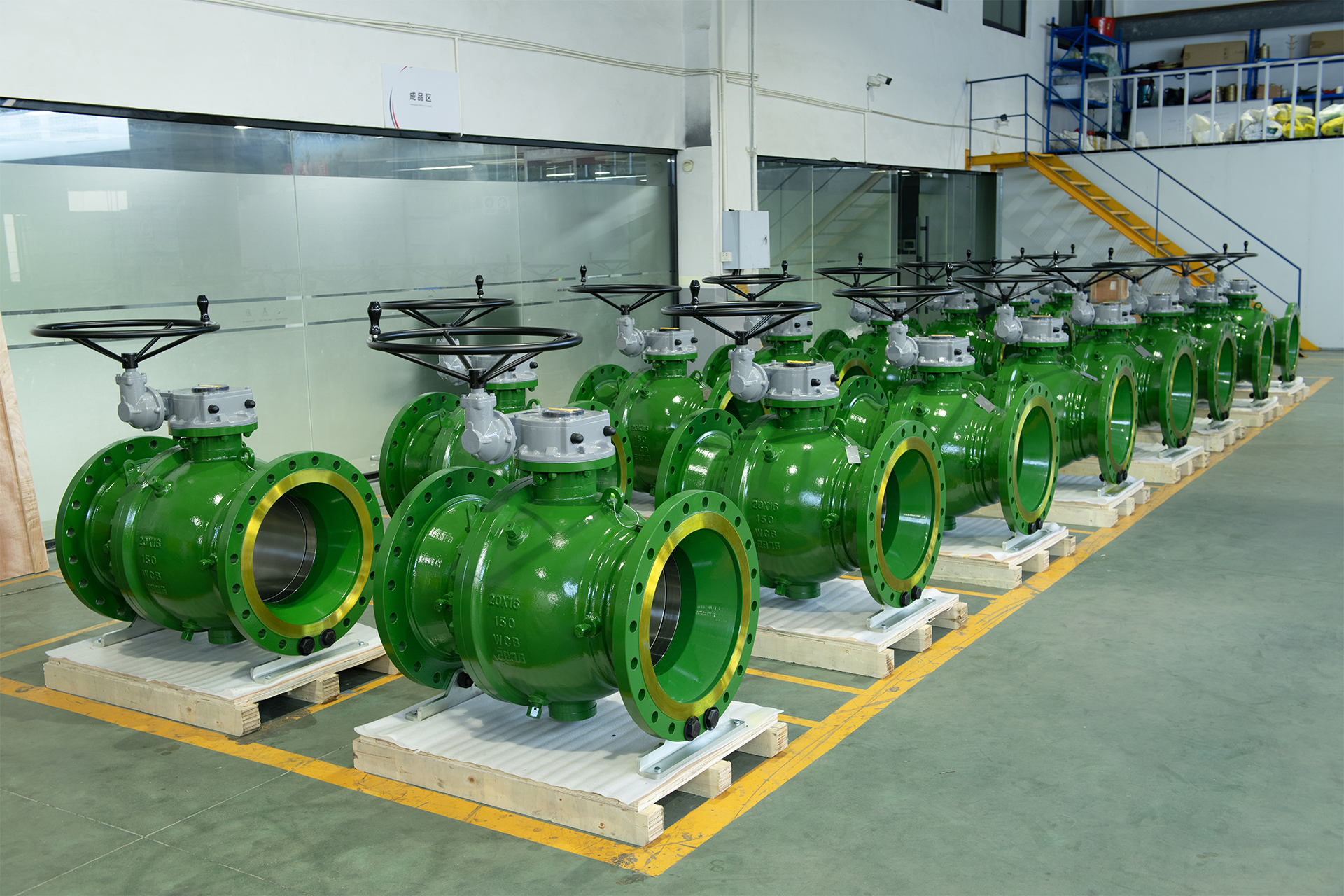
On a global scale, 20 percent of XINTAI Valve’s products are exported to Europe and the USA, while 80 percent are distributed to other global regions, demonstrating the company’s capacity to serve a geographically diverse base of engineering companies, valve trading firms, distributors, and end-user factories such as refineries and power plants.
Choosing the Right Partner for Isolation Valve Solutions
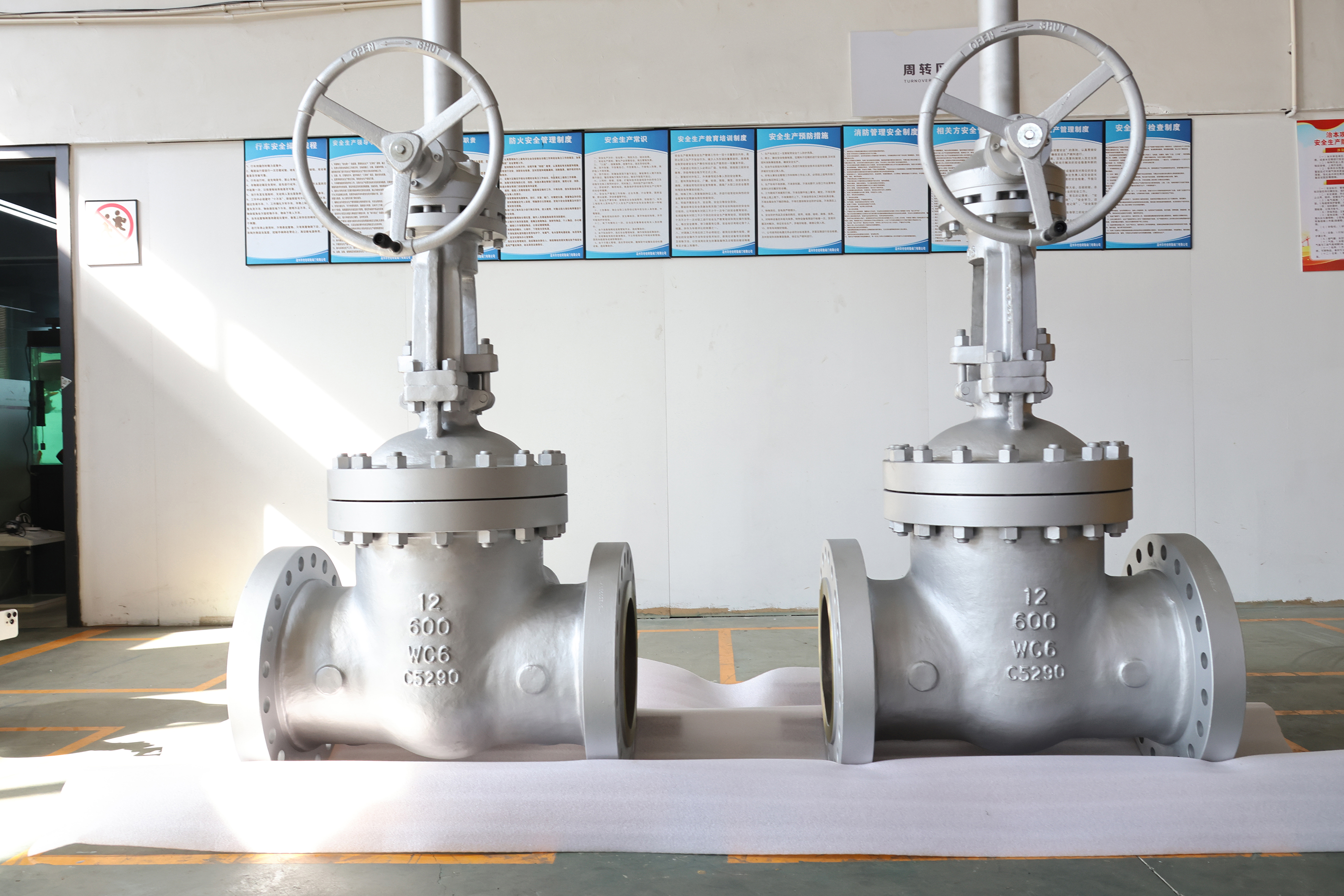
For buyers weighing ball valve versus gate valve options for isolation duty, the decision ultimately depends on the specific pipeline media, pressure conditions, and emissions requirements of the application. Floating and trunnion mounted ball valves offer advantages in high-pressure, leak-sensitive environments, while wedge, knife, and bellow seal gate valves address full-bore isolation, solid-laden media, and fugitive emission control respectively.
As a manufacturer with decades of experience, international certifications, and proven project support, XINTAI Valve Group Co., Ltd. offers both valve families from a single integrated supply chain, backed by in-house testing facilities in Yongjia that handle pressure, seal, and material validation. This combination of engineering expertise, precision production, and global project reliability positions XINTAI Valve as a practical resource for teams evaluating isolation valve options across oil and gas, chemical, power, water treatment, and industrial cooling applications.
http://www.xintaivalves.com
Xintai Valve Group Co., Ltd. -
AuthorPosts

- You must be logged in to reply to this topic.